Center Us
It is natural to center fear. Outrage algorithms do not even need to be intentional - "Popular with Friends", if you have my friends, is quite naturally full of mocking rage, some of which I find highly entertaining. If villians make good stories, we have a wealth of material, and the satire writes itself.
A story, though, should be about the heroes. And the best hero is the everyman, who could be you or me - one of us.
Who then is "us", Who are we?
"Us" the passive object feels like a simple factual identifier, more likely to be based on happenstance, family or tribe of birth. "Who are we?" sounds aspirational, active, who do we wish to be? We become the subject of our adventure. We choose ourselves, which 'us' we belong to, perhaps by shared goals, values, actions.
For me, "us" is most those who will risk, sacrifice or work for others - for any others also willing to step up, or who are unable to.
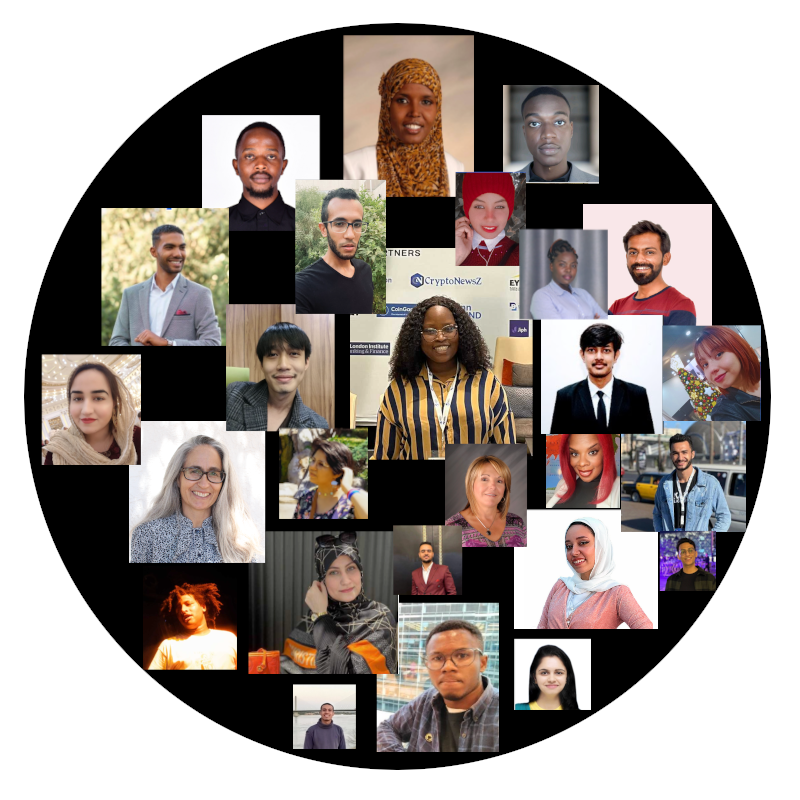
In practice, this means I spend what time and resources I have spare interacting and mentoring in two global teams that if you've spoken to me, I have probably bent your ear off about. One is LinkedTrust.us, with people like the elected CEO Gitonga Miriam Njeri who dedicates herself to both her family in Nairobi and teammates around the world, the team from Egypt to Nigeria to Argentina, people in or recently from Myanmar and Afghanistan. People who focus on work and lifting each other up while creating a decentralized web of trust, in a startup with earned ownership and governance. I have kept focus on this goal for years more than I would have, because others see value in it, because they are my 'us'.
The other team is RaisetheVoices.org, volunteers who advocate for individuals being affected by larger forces, families of disappeared and elevate the stories of people on the ground organizing for each other: Setting up schools or pushing for clean water; protesting, or caring for those shot in a protest; . We follow our nose from individual cases to policy changes needed and use our leverage as citizens, to create access into the virtual room with the Senate staffers for those who are being affected by their policies. It doesn't always help. But we have a few wins - the Belarus Human Rights and Democracy Act was one - and the pieces we write flow out into the world trying to elevate the everyday heroes we find.
Heroes, after all, must fight the villians, and they need friends along the way.
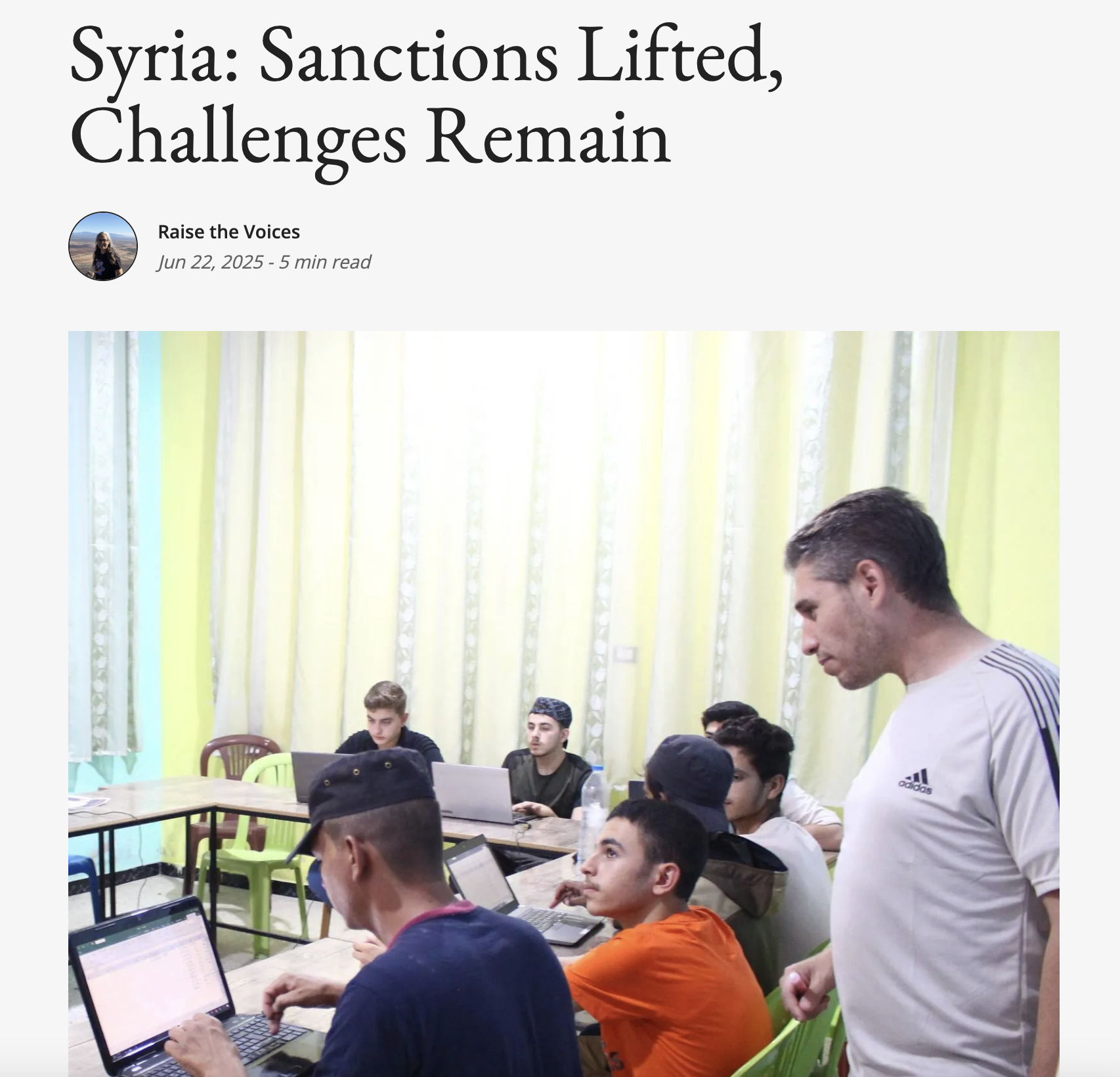
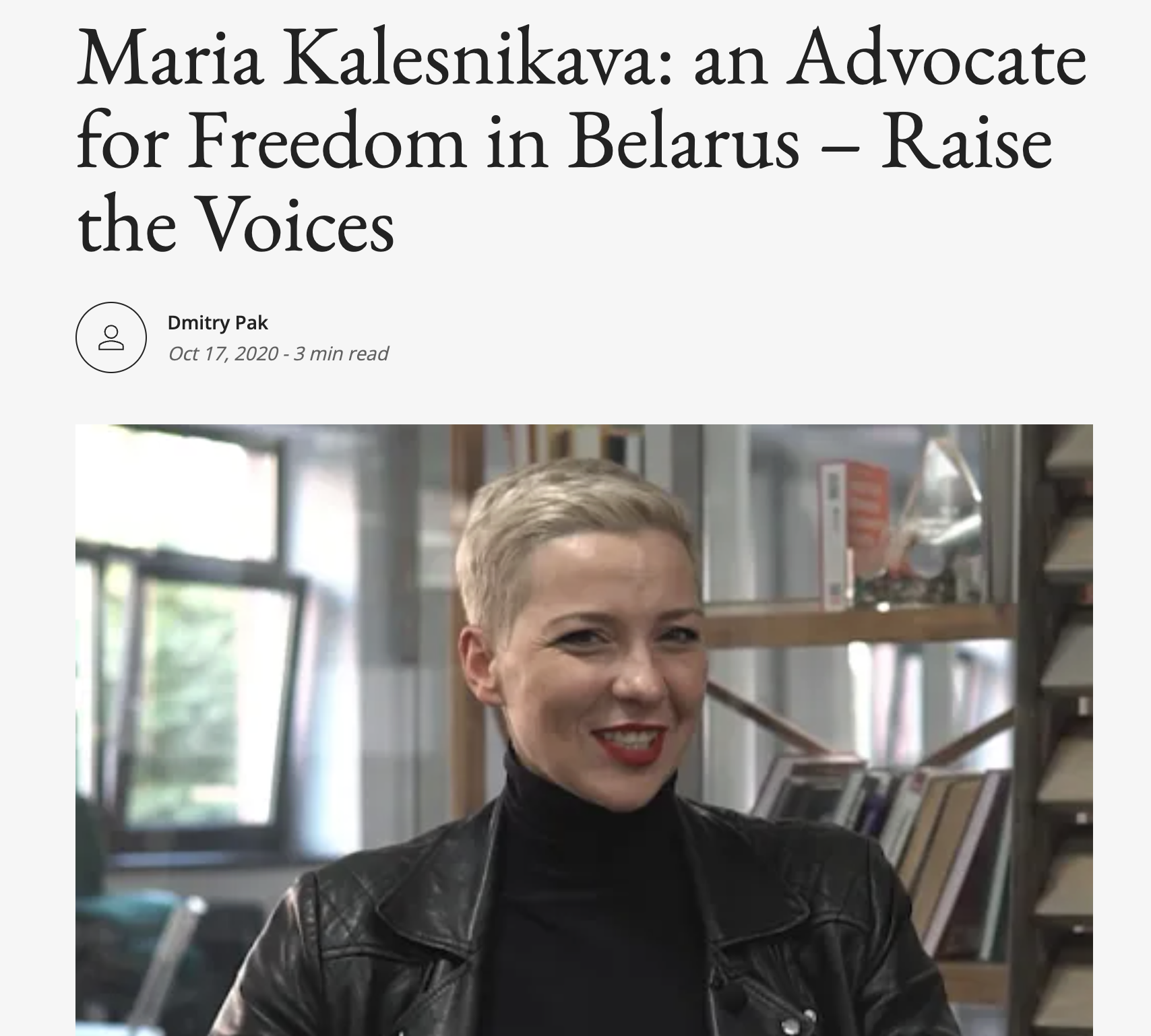
This is my "us": teammates, friends and colleagues and people I follow whose work I respect. It includes also those fighting the villians here at home, of course - Leah Greenberg is definitely counted high on the heroes list. And it is true that we need to understand the enemy, but I believe we should approach it as a natural disaster, an earthquake, rabid wolf or cancer. We should understand its patterns and weaknesses and vulnerability to attack, but not center the enemy leaders as people.
Why? Well - if the enemy lead is all that matters, then as in Stephen King's Dark Tower series, all the real people become disposable side characters, and that is the opposite of what we want. The real people are the main characters.
How to make their, our stories as entertaining and engaging as the outrage, is an open question! The hero's journey requires a going out and away, finding allies, overcoming challenges, and changing oneself.
I see this happening in the team, I don't know how much of their personal stories I can tell - I respect people's privacy and they may not want me to share their adversity, or how i see them maturing as leads and as engineers. Many of the people I work with are exceptionally bright and self-confident, facing so much adversity, people who could be the picture on a poster titled "Resilience".
When the algorithmic feeds deliver us the stories of everyday heroes, ones we can believe in and identify with, more than they deliver even justified outrage, perhaps we can start seeing a future more promising than terrifying. So what is the algorithm for this? Not a hypothetical question, it is clear we should create some really different Feeds on ATProto (the protocol under Bluesky, for those not familiar) and see how sticky they are...who is working on it?
Will link here, if I find or create any. Articles, unlike posts, are mutable. I think that is a hopeful thing.